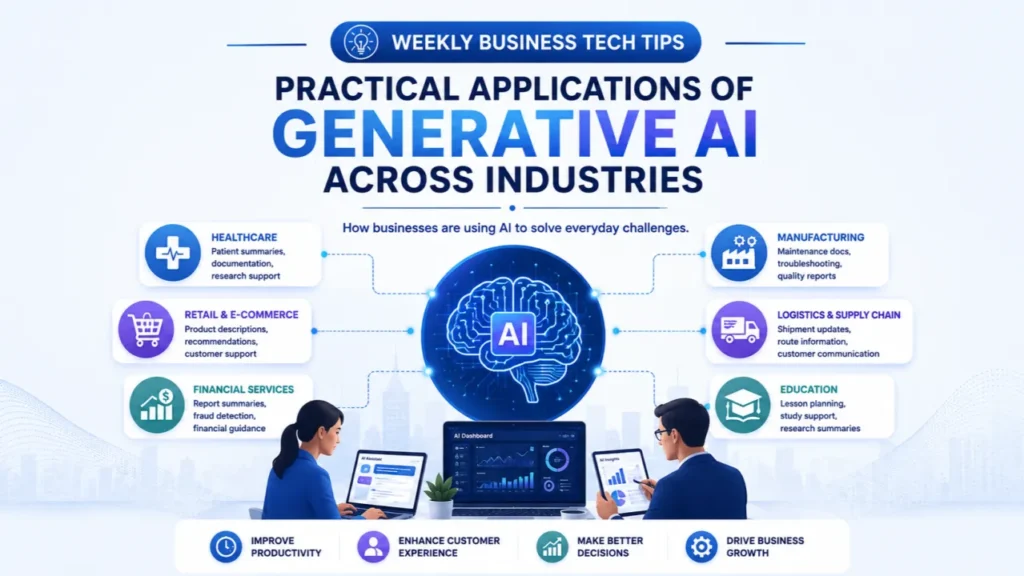
Artificial intelligence is most useful when it solves a clearly defined problem. A small, measurable trial is usually more valuable than adopting a tool simply because it is popular.
Most read
Start With a Specific Task
For what to know before adding an ai assistant to your workflow, begin with a clear goal and a realistic example. Set boundaries for personal or confidential data, and check the service’s retention, training, and access controls before uploading information.
Right now
 How Repairability Can Shape the Future of Consumer Electronics
 A Practical Guide to Understanding Technology Hype
Choose the Right Level of Automation
Compare options using the same criteria instead of relying on a polished demonstration. Try the tool on a small batch of low-risk work before connecting it to customer records, payments, or other sensitive systems.
Check Quality Before You Trust It
Check the limitations before making this part of your routine. Set boundaries for personal or confidential data, and check the service’s retention, training, and access controls before uploading information.
Keep People and Privacy in the Loop
Test the approach in a low-risk setting and note what changes. Try the tool on a small batch of low-risk work before connecting it to customer records, payments, or other sensitive systems.
Measure Whether It Helps
Review the results after real use, then keep, adjust, or replace the approach. Set boundaries for personal or confidential data, and check the service’s retention, training, and access controls before uploading information.
For a useful comparison, define success before you begin and record any unexpected costs, risks, or compatibility issues. This makes your next decision more evidence-based.
Keep the decision practical: compare real outcomes, review the risks, and revisit the setup after you have enough experience to judge it fairly.

More articles by Admin.
History tracking
On the same subject
 Simple Automation Apps That Can Give You Back Time
Right now
How Repairability Can Shape the Future of Consumer ElectronicsA Practical Guide to Understanding Technology Hype