
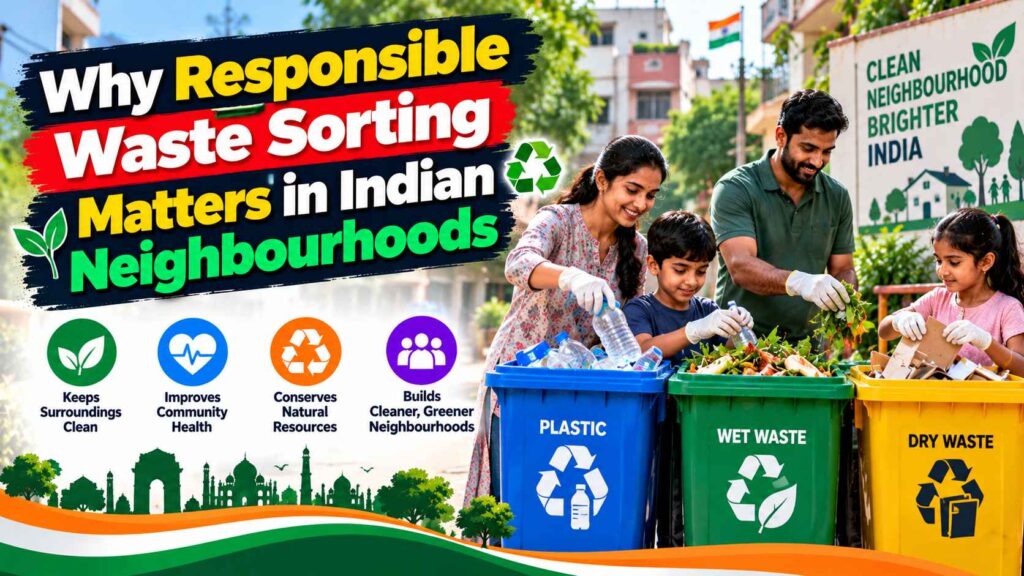
Household waste is easier to manage when people separate materials according to the local collection system. Sorting can help suitable materials reach recycling or composting routes and reduce contamination. The exact categories and collection arrangements differ by municipality, so residents should follow local instructions.
Key Developments and Context
Good waste management depends on both household habits and reliable collection services. Clear guidance, suitable bins and consistent pickup schedules make it easier for residents to participate and help local authorities identify where support is needed.
Separate waste at source
Use the categories specified by the local authority and keep recyclable materials as clean and dry as practical. Do not mix hazardous items with ordinary household waste. Clear labels can help everyone in a household follow the same routine.
Handle special items carefully
Batteries, electronics, bulbs, medicines and sharp objects may require separate collection or specific handling. Check local drop-off options instead of putting these items into a regular bin. Keep hazardous materials away from children and pets.
Reduce waste before disposal
Choose reusable products where practical, avoid unnecessary packaging and plan purchases to reduce food waste. Reuse should be safe and suitable for the item. Small changes can reduce the volume that households need to sort and discard.
Follow collection guidance
Keep waste ready at the designated time and place, and avoid leaving bags where they block drains or pedestrian routes. If collection is missed, use the municipality’s official complaint process and provide clear location details.
Work with neighbours
Resident groups can share verified collection schedules, organise clean-up activities and report persistent dumping through official channels. Cooperation works best when responsibilities are clear and messages remain practical and respectful.
| Area | Key details |
|---|---|
| Topic | Why Responsible Waste Sorting Matters in Indian Neighbourhoods |
| Focus | wet waste, dry recyclables, collection schedules, safe handling and local rules |
| Recommended action | Follow reliable local guidance and keep relevant details handy. |
This article provides general information. Confirm current local rules and arrangements with the responsible authority before making decisions.