
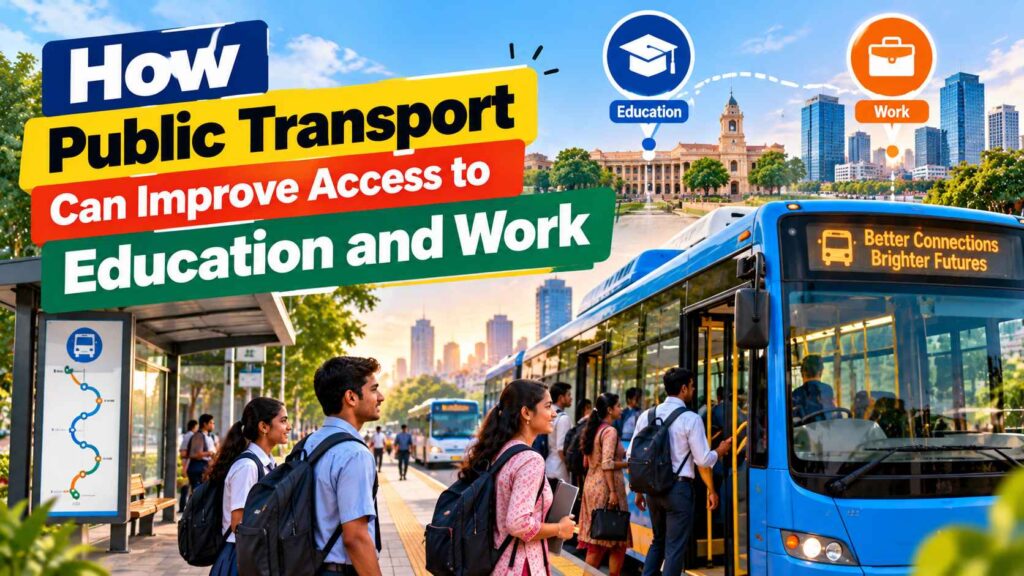
Affordable public transport links people with schools, colleges, workplaces, hospitals and markets. In cities and smaller towns alike, dependable services can reduce travel costs and expand the range of opportunities available to residents who do not own private vehicles.
Key Developments and Context
Transport planning works best when routes connect with one another and schedules reflect when people actually travel. A service that is inexpensive but irregular may still be difficult for students, shift workers and people with caregiving responsibilities to rely on.
Reliability matters
Frequent, predictable services help passengers plan their day and reduce the uncertainty of missed connections. Clear timetables, real-time updates where available and consistent maintenance can improve confidence in public transport.
Safety and accessibility
Well-lit stops, safe pedestrian access, clear signage and accessible vehicles make a difference for women, children, older people and passengers with disabilities. Passenger feedback should be considered when authorities review routes and station design.
Planning connected journeys
Coordinated bus, metro and rail services can shorten the distance between a passenger’s home and final destination. Safe walking and cycling connections also help people complete the first and last part of a trip without needing another motorised journey.
How to assess improvements
Useful measures include service frequency, punctuality, passenger feedback, accessibility and the cost of a typical commute. Publishing these indicators can help authorities identify weak routes and explain where improvements are planned.
What readers should remember
Reliable information, clear records and practical planning can help people make better decisions. Readers should revisit official guidance when circumstances change and seek qualified advice for decisions that require specialist knowledge.
| Area | Key details |
|---|---|
| Topic | How Public Transport Can Improve Access to Education and Work |
| Focus | bus services, rail connections, safe stops, reliable schedules and accessible facilities |
| Recommended action | Check official information and keep relevant records. |
Readers should use this overview as general information and verify time-sensitive rules, figures or announcements with the responsible official source before making decisions.