A good technology purchase starts with daily habits, not a long specification sheet. The right device should fit your routine, budget, comfort, and support needs.
Most read
Define Your Everyday Needs
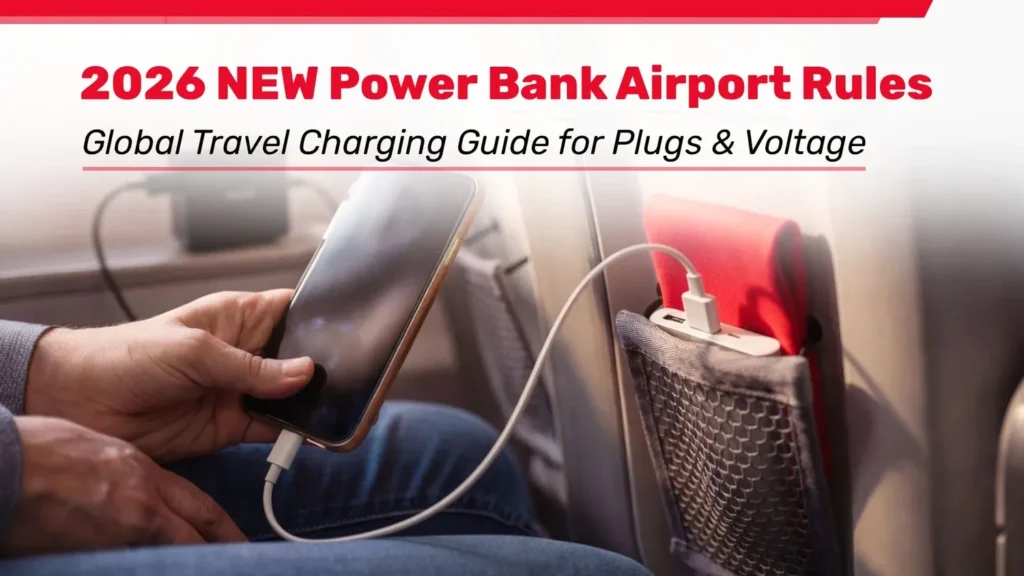
For portable power banks: capacity, safety, and travel tips, begin with a clear goal and a realistic example. Keep ventilation, cable management, safe charging, and ergonomic positioning in mind because everyday setup affects comfort as much as hardware does.
Right now
 How Repairability Can Shape the Future of Consumer Electronics
 A Practical Guide to Understanding Technology Hype
Compare the Specifications That Matter
Compare options using the same criteria instead of relying on a polished demonstration. Look at practical details such as ports, repair options, battery replacement, warranty terms, and compatibility with accessories you already own.
Look Beyond the Product Listing
Check the limitations before making this part of your routine. Keep ventilation, cable management, safe charging, and ergonomic positioning in mind because everyday setup affects comfort as much as hardware does.
Plan for Comfort and Longevity
Test the approach in a low-risk setting and note what changes. Look at practical details such as ports, repair options, battery replacement, warranty terms, and compatibility with accessories you already own.
Make a Confident Final Choice
Review the results after real use, then keep, adjust, or replace the approach. Keep ventilation, cable management, safe charging, and ergonomic positioning in mind because everyday setup affects comfort as much as hardware does.
For a useful comparison, define success before you begin and record any unexpected costs, risks, or compatibility issues. This makes your next decision more evidence-based.
Keep the decision practical: compare real outcomes, review the risks, and revisit the setup after you have enough experience to judge it fairly.

More articles by Admin.
History tracking
On the same subject
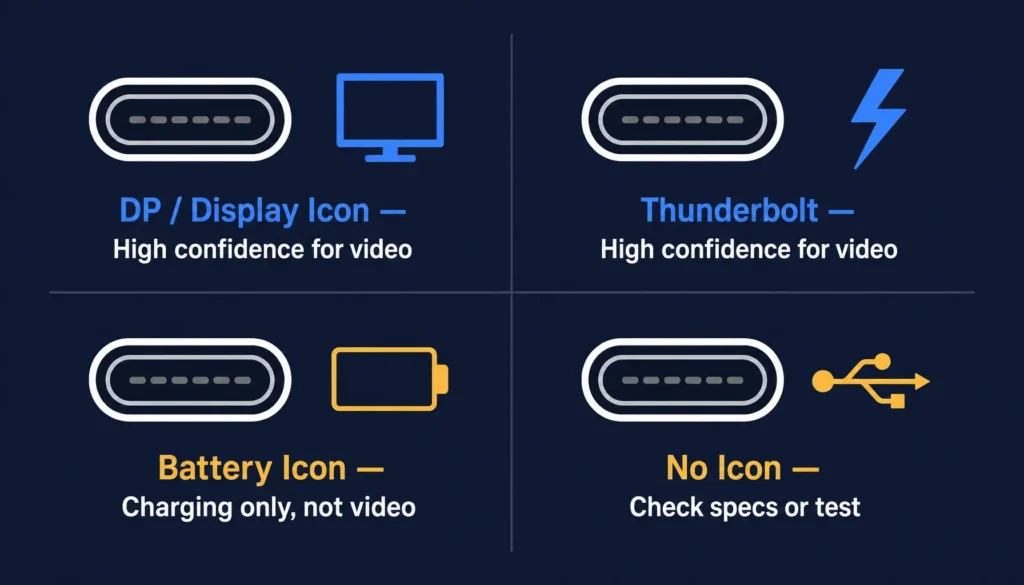
 USB-C Explained: Charging, Data, and Display Capabilities
Right now
How Repairability Can Shape the Future of Consumer ElectronicsA Practical Guide to Understanding Technology Hype